What can you put in a digester?
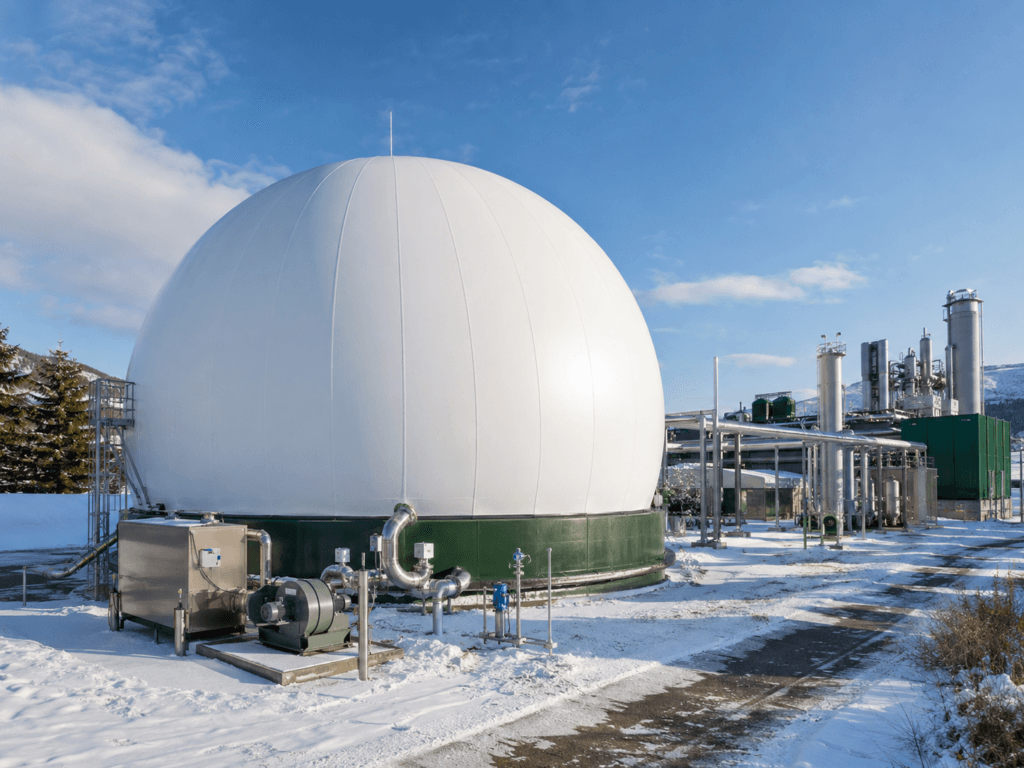
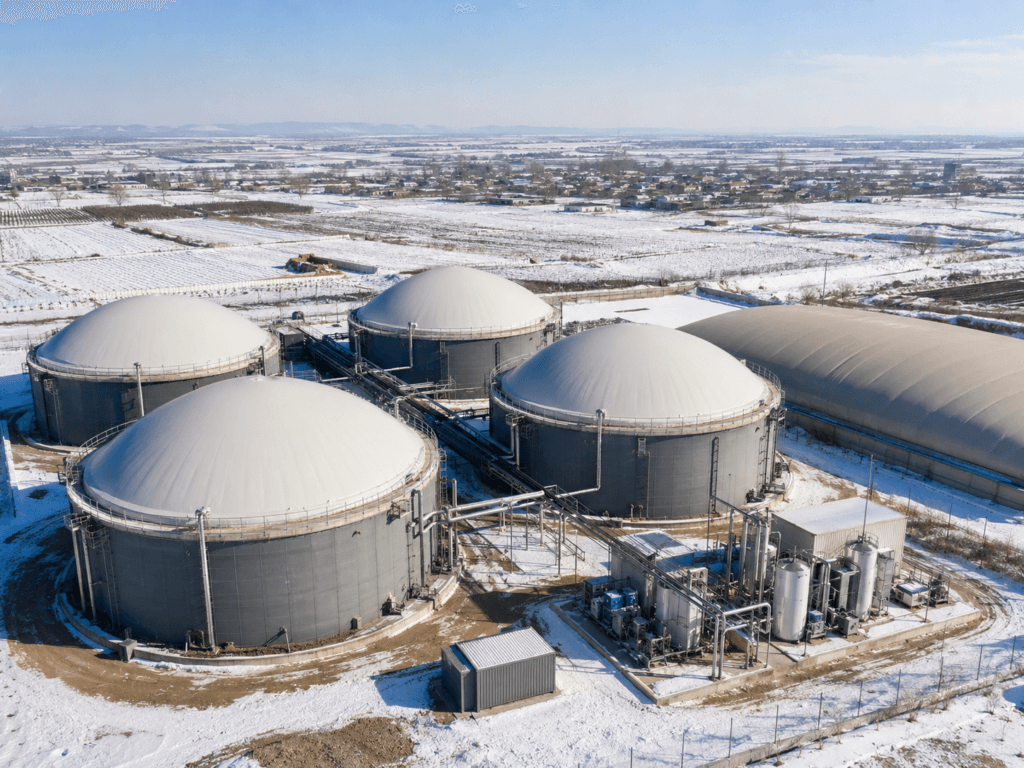
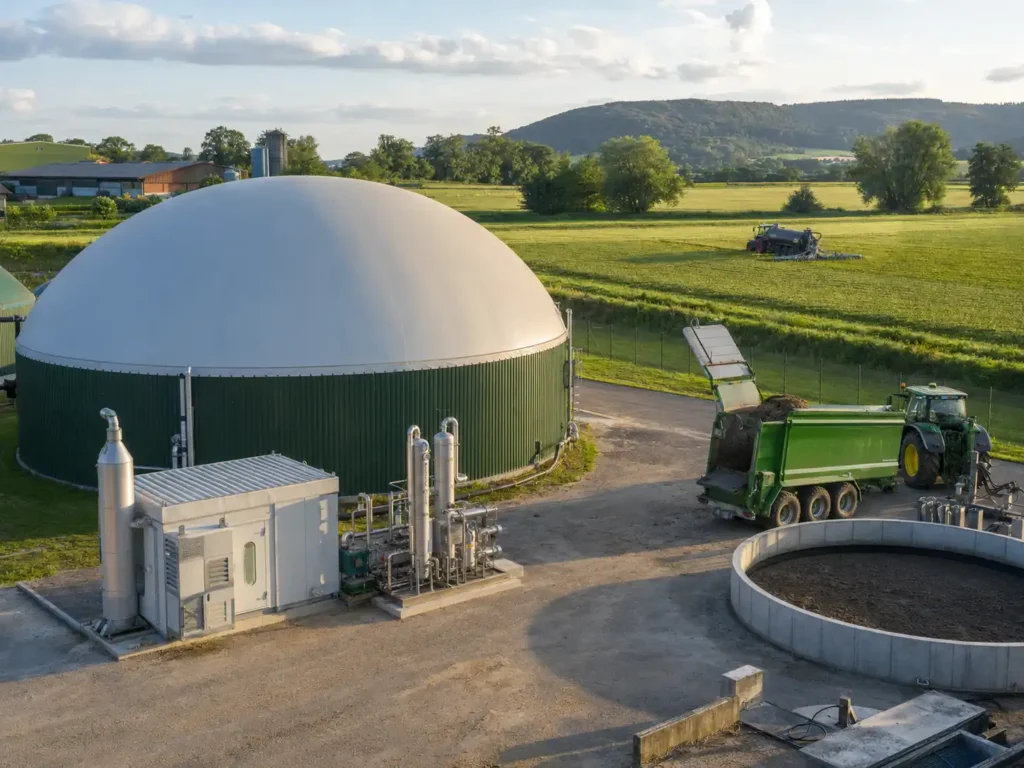
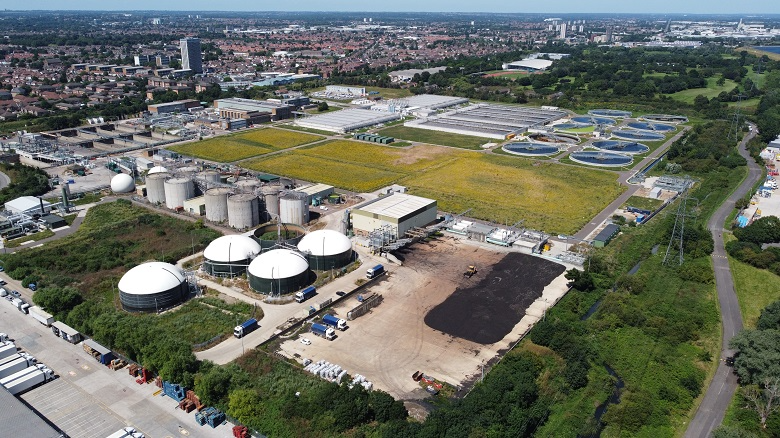
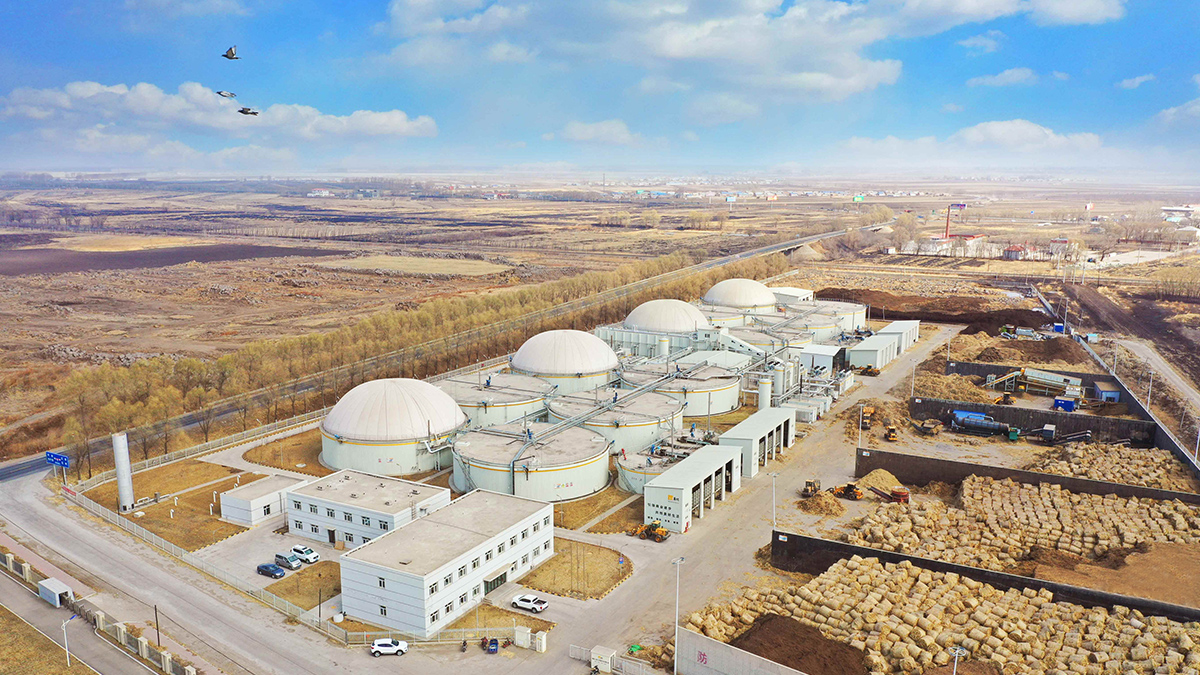
An anaerobic digester is basically a “large sealed tank” specially designed to treat various kinds of organic waste, such as animal manure and food waste. Inside the tank, anaerobic bacteria (bacteria that do not need oxygen) slowly “consume” and decompose the waste, producing a gas called biogas. This gas can then be used for power generation, boilers, or as fuel.
However, not all materials are suitable for anaerobic digestion. Hard plant materials such as wood and branches are generally not ideal because they contain lignin, which is very difficult to break down. Therefore, they are usually not suitable as biogas feedstock.
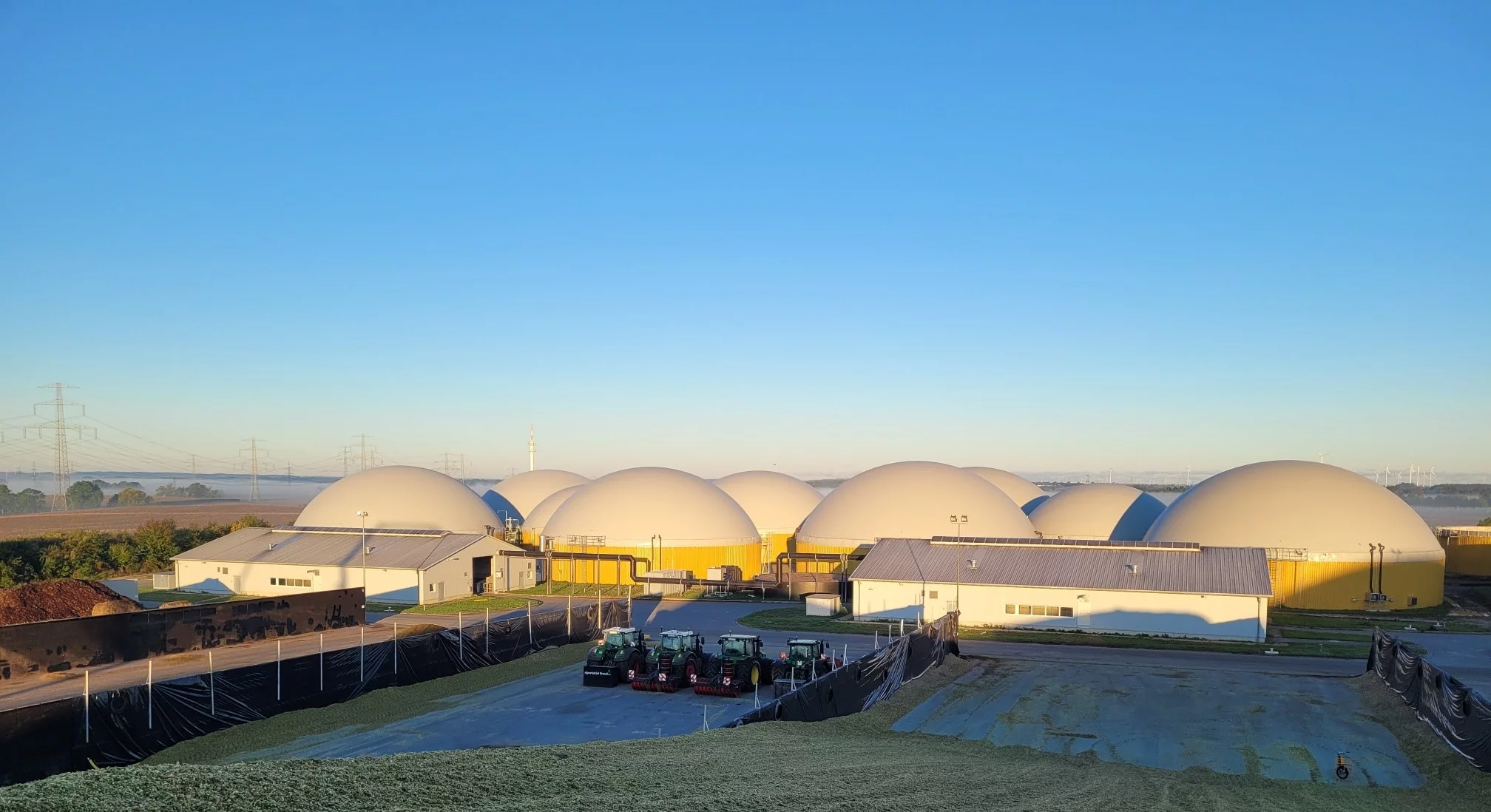
There are many types of biogas systems. Small systems can be used for households, while large systems are industrial-scale projects. Large projects usually handle large amounts of waste in centralized facilities, making them more common and larger in scale.
In large biogas projects, common feedstocks include:
- Livestock and poultry manure
- Food waste
- Sludge (such as sludge from wastewater treatment plants)
- Green waste (plant waste generated during landscaping and maintenance work)
- Energy crops (plants specifically grown for energy production)
After these materials are fed into the digester, microorganisms gradually decompose them and produce biogas.
However, the amount and quality of biogas produced are not fixed and depend on many factors, such as:
- The quality of the feedstock (how much organic matter it contains)
- Whether wet digestion or dry digestion is used
- Retention time inside the digester
- Whether the feedstock has been pretreated
- Temperature control
- Whether the mixing ratio of materials is appropriate
Therefore, it is not possible to simply say “how much gas can be produced from 1 ton of waste.” In most cases, estimates are based on experience data or laboratory testing for more accurate evaluation.

1. Livestock and Poultry Manure (Pig, Cow, and Chicken Manure)
This is one of the most common feedstocks in biogas projects, especially on livestock farms where the supply is stable and available every day.
Its main disadvantage is that the “energy content is relatively low.” Most nutrients consumed by animals have already been absorbed, so there is less biodegradable material left for gas production.
However, it has one major advantage:
It cannot be discharged directly because it would cause environmental pollution and regulatory issues.
Using a biogas digester to treat manure therefore achieves two goals at the same time:
- Meeting environmental protection requirements
- Producing biogas as a by-product
2. Food Waste & Green Waste
Examples include:
- Food processing residues
- Agricultural waste
- Trimmed branches and leaves (the plant materials removed during landscaping maintenance)
The characteristic of this type of feedstock is:
It contains more easily degradable organic matter and generally produces more biogas than manure.
The common treatment method is:
- Mixing the material with water to form a slurry, then feeding it into the digester for fermentation.
This process is called wet digestion, which has several advantages:
- More stable operation
- Better gas production
- Easier process control
3. Sludge (from Wastewater Treatment Plants)
This refers to the residual sludge left after wastewater treatment.
The purpose of using sludge in biogas systems is:
- To avoid waste while continuing to generate biogas.
The benefits include:
- Reducing sludge disposal pressure
- Recovering energy at the same time
Wet digestion is also commonly used for sludge treatment because it provides more stable operation.
4. Energy Crops (Plants Specifically Grown for Energy Production)
Examples include:
- Corn
- Sugar beet
- Rye
- Straw
These are not waste materials, but crops specifically cultivated as feedstock for biogas production.
Characteristics:
- Relatively high biogas yield
- Stable supply (production can be expanded as needed)
- Can also help improve soil quality
The disadvantage is:
- They require agricultural land and are not “free waste materials.”
Summary
Anaerobic digesters can process many types of “organic waste,” but different feedstocks produce different results:
- Manure: stable supply but moderate gas production
- Food waste / green waste: better biogas yield
- Sludge: combines environmental protection with resource recovery
- Energy crops: high gas production but require cultivation land
RELATED BLOG