1. What Are the Benefits of Biogas?
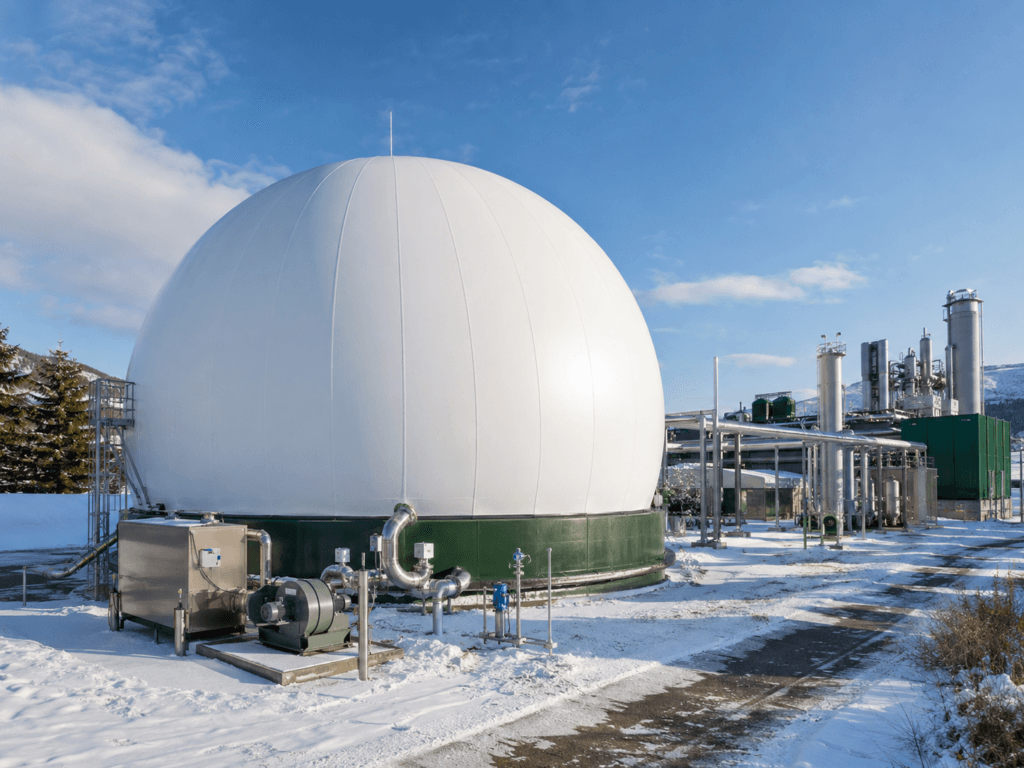
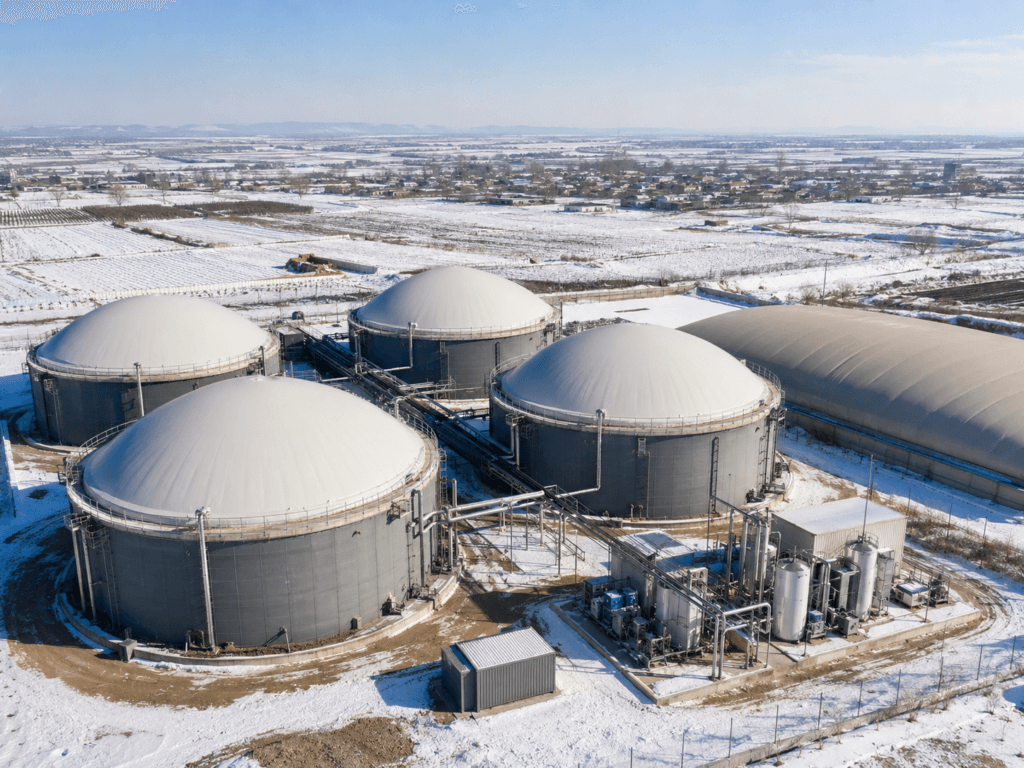
Biogas is produced by placing organic waste such as food waste, animal manure, and agricultural residues into an oxygen-free environment where it slowly ferments. During this process, gases such as methane are generated.
These gases can then be used to generate electricity, provide heat, or even be processed into vehicle fuel. In simple terms, biogas is a renewable energy source that turns waste into something valuable.
More and more countries are paying attention to biogas because it not only helps treat waste, but also produces useful energy at the same time. It offers many benefits in environmental protection, agriculture, energy utilization, and economic development.
Below are some of the main advantages.
1. More Environmentally Friendly
One of the biggest advantages of biogas is that it helps reduce pollution.
If manure, food waste, and other organic materials are simply left outdoors, they naturally decompose and continuously release greenhouse gases such as methane and carbon dioxide, which can seriously impact the environment.
A biogas system collects these gases instead of allowing them to escape directly into the atmosphere. The gases are then used for electricity generation or heating, essentially turning pollution into energy.
In addition, the residue left after fermentation can be used as organic fertilizer, which helps reduce the use of chemical fertilizers and lowers the pollution and energy consumption associated with fertilizer production.
Simply put, biogas systems help reduce emissions while also promoting resource recycling.

2. Helpful for Agriculture
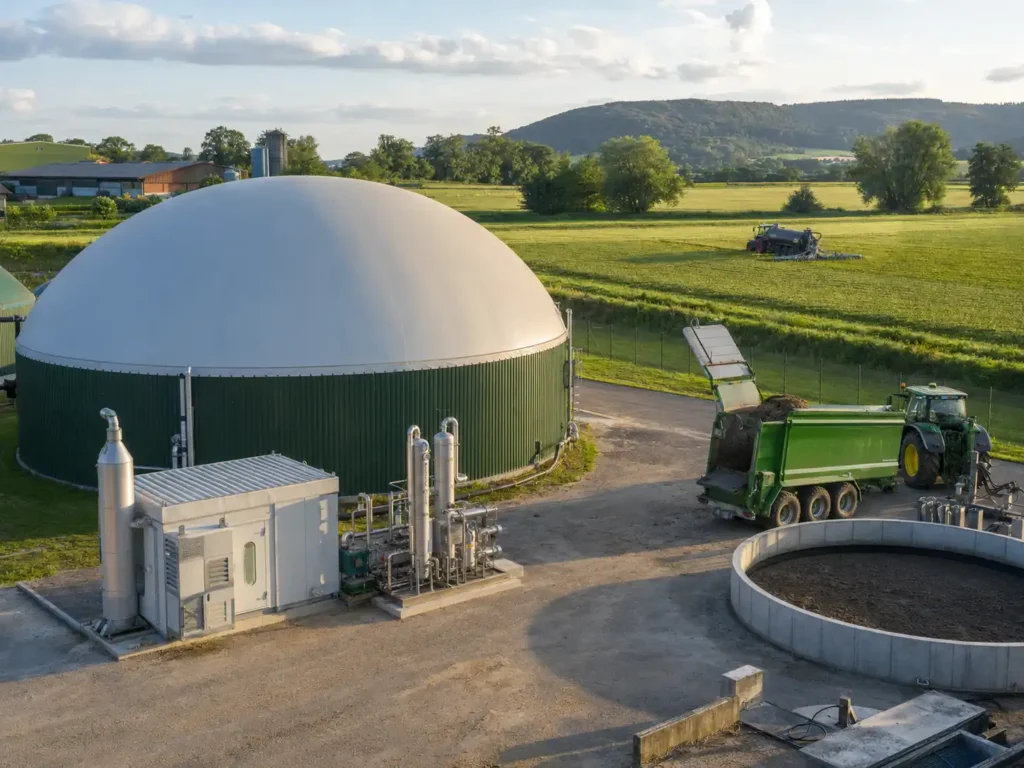
For farms and livestock operations, a biogas system is not just a gas production unit — it is also a waste treatmentbiogas plant and resource recycling system.
After anaerobic fermentation biogas plant , the smell of livestock manure is greatly reduced, and it becomes less likely to attract insects or harmful bacteria, helping improve overall farm hygiene.
The digested residue and liquid can also be returned directly to farmland as organic fertilizer, which is beneficial for soil improvement and crop growth.
Compared with traditional manure disposal methods, biogas systems can also reduce treatment costs. Some projects can even generate additional income by selling electricity, natural gas, or organic fertilizer, helping make agricultural operations more stable and sustainable.
3. More Stable Energy Supply
One of the biggest advantages of biogas is its stable energy supply.
Like natural gas, biogas can be used for electricity generation, heating, or as a fuel source, helping replace part of traditional fossil fuels.
Compared with solar and wind energy, biogas is much less affected by weather conditions.
Solar power cannot generate electricity at night, and wind power depends on wind conditions. However, as long as feedstock is continuously supplied, a biogas system can keep operating and provide energy around the clock.
Biogas can also be stored in advance and used during peak electricity demand periods, making the system more flexible for energy regulation.
After compression or upgrading, biogas can even be used as vehicle fuel, giving it an even wider range of applications.

4. Economic Benefits
Many people see biogas projects as a typical example of “turning waste into value.”
Organic waste such as food waste, livestock manure, and agricultural residues normally requires disposal costs. With a biogas system, these wastes can not only be treated, but also converted into useful energy that generates additional income.
Compared with solar and wind power, which are more affected by weather conditions, biogas projects operate more steadily, making their revenue generally more predictable.
In addition, the digested residue and liquid can be sold as organic fertilizer or animal bedding, meaning one system can create multiple sources of value.
At the same time, biogas projects also support related industries such as equipment manufacturing, engineering construction, system design, and project management, creating many employment opportunities.
5. More Environmentally Friendly Waste Treatment
Traditional landfill disposal can easily pollute soil and groundwater, while biogas systems provide a much more environmentally friendly solution for treating organic waste.
Through anaerobic digestion , part of the waste is converted into energy, while the remaining residue can still be safely reused in agriculture, achieving resource recycling.
Compared with direct waste piling, the fermentation process also helps reduce pathogens, parasites, and unpleasant odors, making it safer for the surrounding environment and water sources.
Conclusion
Simply put, biogas is not just an energy technology — it is a comprehensive solution that combines environmental protection, agriculture, and energy utilization.
It can treat waste, reduce pollution, produce renewable energy, improve resource efficiency, and also create economic value.
That is why biogas is becoming an increasingly important part of green energy development and the circular economy in many countries around the world.

RELATED BLOG