How to Calculate Biogas Production from Animal Manure in a Double Membrane Biogas Holder?
As global economies continue to grow, industrialization accelerates, and the world’s population increases, the demand for energy continues to rise. At the same time, countries are seeking cleaner and more sustainable alternatives to fossil fuels.
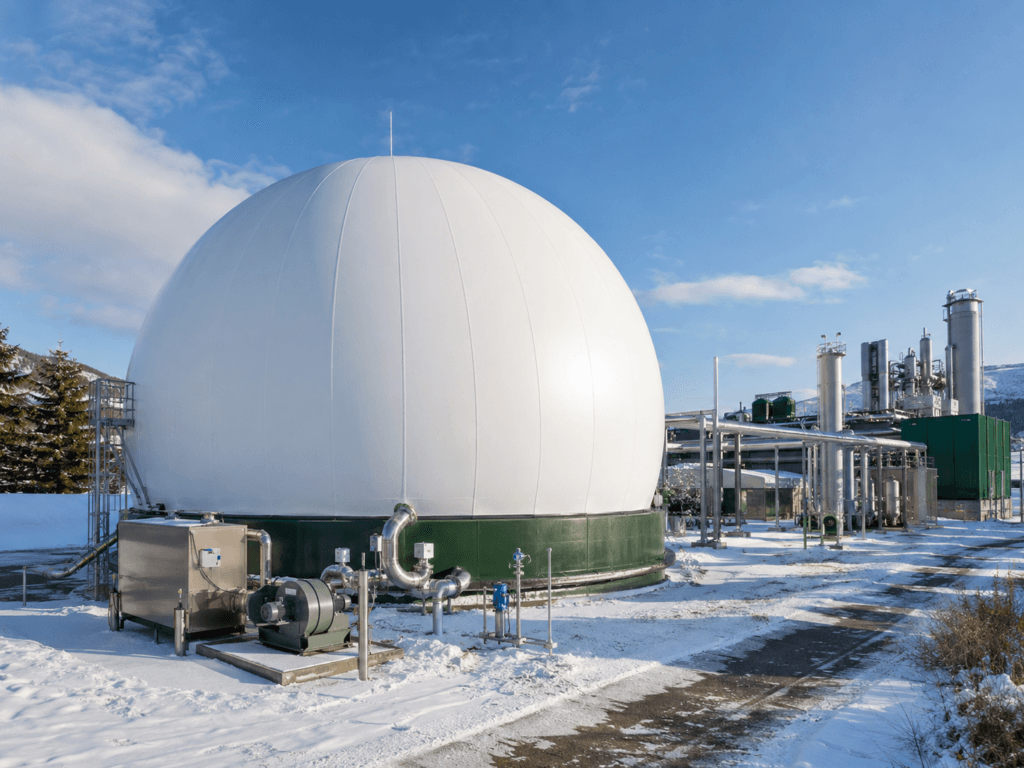
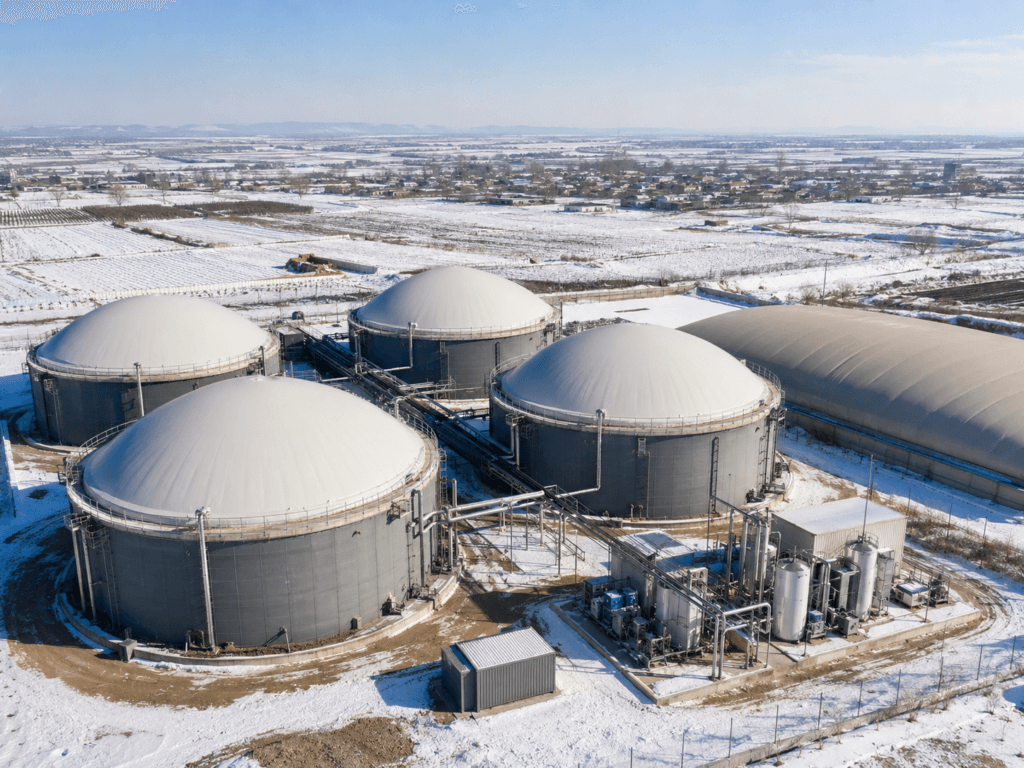
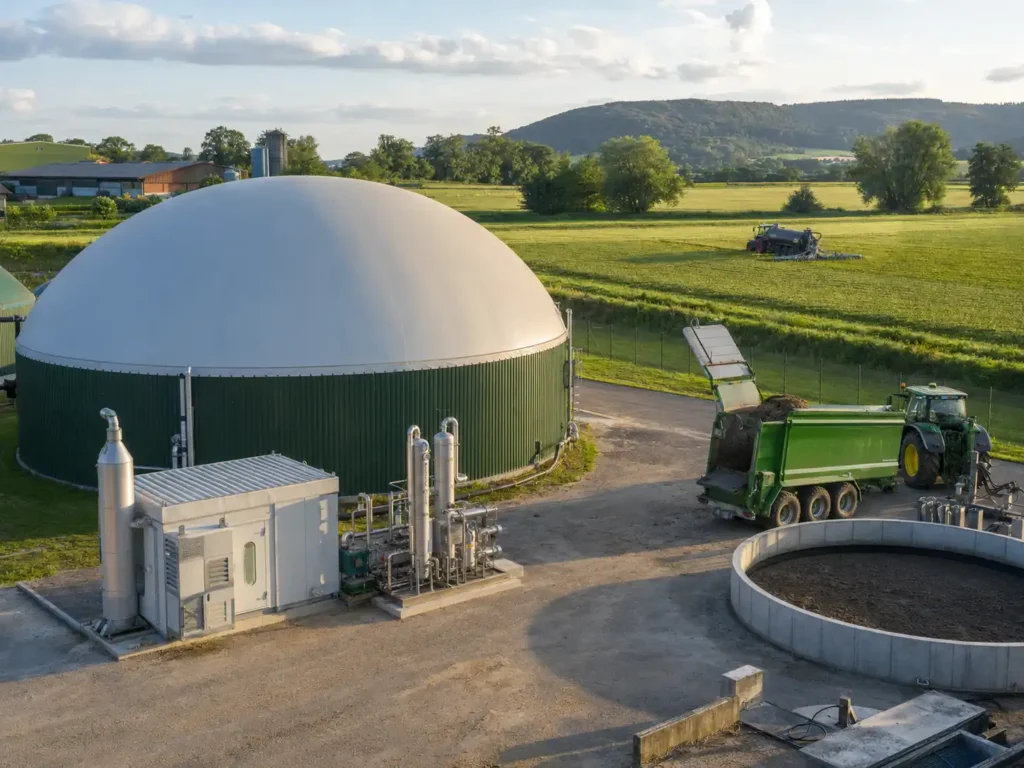
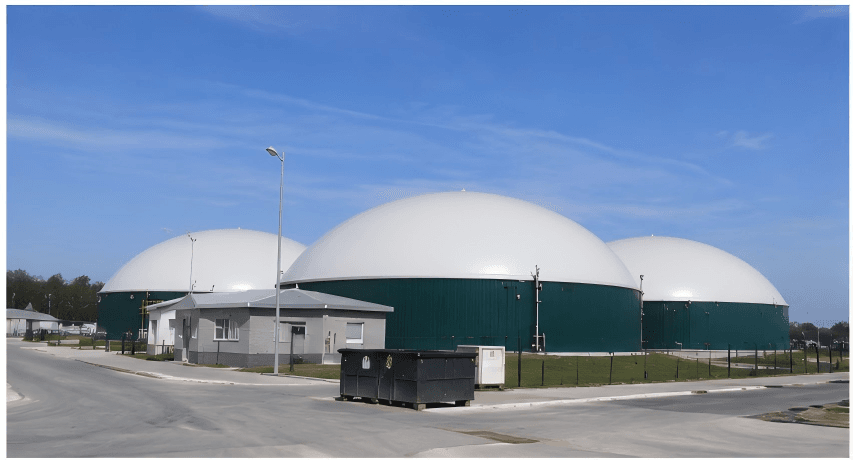
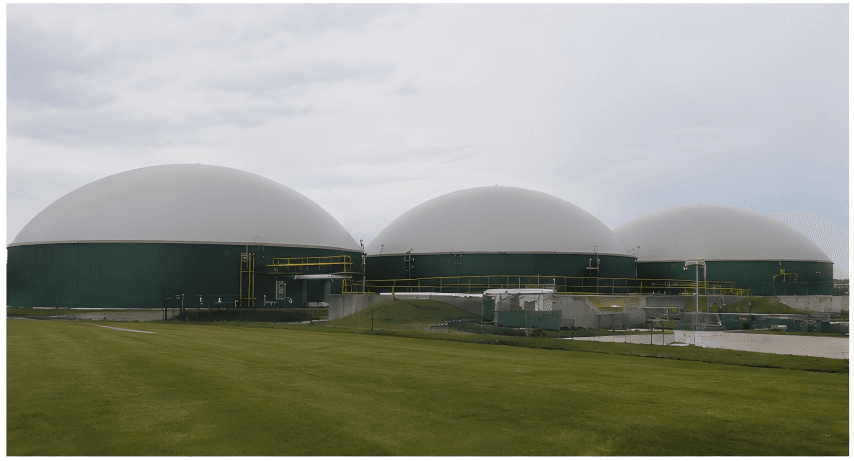
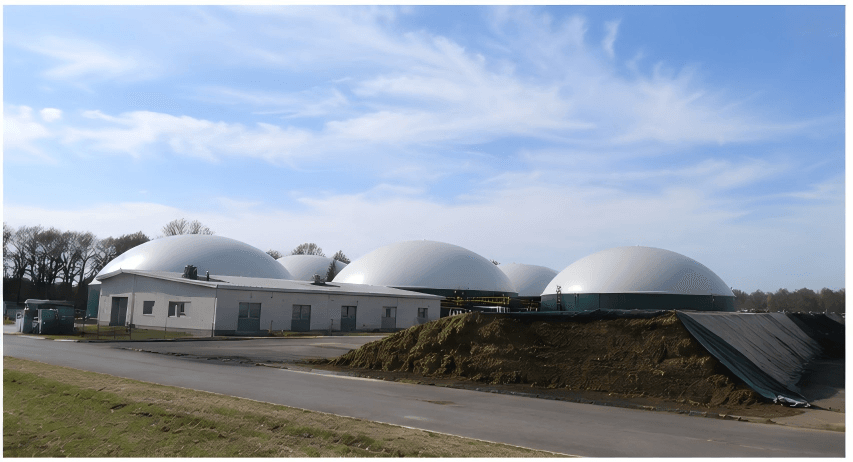
Biogas has become one of the most promising renewable energy sources, playing an increasingly important role in the global transition toward green energy. In a complete biogas system, the double membrane biogas holder is one of the most important pieces of equipment, providing safe biogas storage, stable pressure regulation, and continuous gas supply.
One of the most common questions from farm owners and biogas project developers is:
How much biogas can different types of animal manure produce?
This article explains the typical biogas yields from chicken manure, pig manure, and sheep manure, helping you estimate the required capacity of your biogas storage system.

Biogas Production from Chicken Manure
Chicken manure is one of the highest-yielding feedstocks for anaerobic digestion because it contains high levels of organic matter and volatile solids (VS). Under suitable anaerobic digestion conditions, fresh chicken manure can generate significant amounts of biogas.
Typical biogas production:
- 60–100 m³ of biogas per ton of fresh chicken manure
- Methane content: 55–65%
For example, a poultry farm with 10,000 laying hens typically produces 1–1.5 tons of fresh manure per day, which can theoretically generate approximately 100–150 m³ of biogas daily after anaerobic digestion.
Biogas Production from Pig Manure
Pig manure is one of the most widely used feedstocks in agricultural biogas projects. Without proper treatment, large quantities of pig manure can cause environmental pollution and release greenhouse gases. Anaerobic digestion converts these organic wastes into renewable energy while reducing environmental impacts.
Under normal operating conditions, pig manure can continuously produce biogas.
Typical biogas production:
- 50–90 m³ of biogas per ton of fresh pig manure
- Methane content: 55–65%
Actual biogas yield depends on several factors, including:
- Total solids (TS) content
- Feed composition
- Digestion temperature
- Retention time
- Digester operating efficiency
For example, a medium-sized pig farm producing 10 tons of fresh pig manure per day can generate approximately 500–900 m³ of biogas per day through anaerobic digestion.
Biogas Production from Sheep Manure
Sheep manure is another valuable agricultural biomass resource. Because sheep are ruminants, their manure contains abundant organic matter and fibrous materials that can be converted into renewable energy through anaerobic digestion.
Typical biogas production:
- 40–70 m³ of biogas per ton of fresh sheep manure
For example, a sheep farm collecting 5 tons of fresh manure per day can theoretically produce approximately 200–350 m³ of biogas per day after digestion.
Conclusion
Animal manure is an abundant renewable biomass resource with excellent potential for biogas production. Through anaerobic digestion, livestock waste such as chicken manure, pig manure, and sheep manure can be converted into clean energy while reducing environmental pollution.
Generally speaking, chicken manure and pig manure provide higher biogas yields per ton, while sheep manure, despite its relatively lower gas yield, remains an important feedstock due to its stable availability in many livestock operations.
When designing a biogas project, biogas production should not be estimated solely based on manure weight. A comprehensive evaluation should also consider:
- Number of animals
- Daily manure production
- Feedstock characteristics
- Digestion efficiency
- Operating temperature
- Hydraulic retention time (HRT)
- Overall system performance
These factors help ensure accurate sizing of digesters, double membrane biogas holders, and downstream utilization equipment.
Qingdao Haiyue specializes in the design, manufacturing, and installation of double membrane biogas holders and complete biogas storage systems, providing customized, reliable, and cost-effective biogas storage solutions for customers worldwide.
If you are planning a biogas project or selecting the right biogas storage solution, feel free to contact us for professional technical support.
RELATED BLOG