
How much cubic feet of gas can I produce from a biogas (cow dung) plant a day?
Biogas produced from cattle manure is a common and environmentally friendly renewable biomass energy source. Daily gas production at biogas plants varies significantly, primarily influenced by the scale of cattle farming, the amount of cattle manure fed into the system, and fermentation conditions. Under standard and stable anaerobic digestion conditions, plants of different sizes correspond to specific and stable ranges of daily gas production, which can serve as a reference for actual production.
1. Standard Biogas Yield and Unit Conversion Data
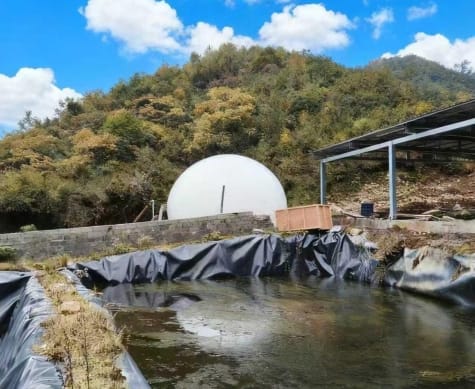
The yield data of cow dung biogas has unified industry reference standards. In conventional anaerobic fermentation environments, one ton of fresh cow dung can produce 0.8 to 1.2 cubic meters of biogas per day, with an average value of 1 cubic meter under normal working conditions. According to the international unit conversion rule, 1 cubic meter of biogas is equal to 35.31 cubic feet. Therefore, the daily biogas production of one ton of fresh cow dung ranges from 28 to 42 cubic feet, with an average of 35 cubic feet. In terms of single cattle calculation, an adult dairy cow produces about 25 kilograms of fresh dung every day, which can generate approximately 0.88 cubic feet of biogas. This set of basic data is the core basis for calculating the output of all biogas plants.
2.Daily Biogas Output of Different Scale Biogas Plants
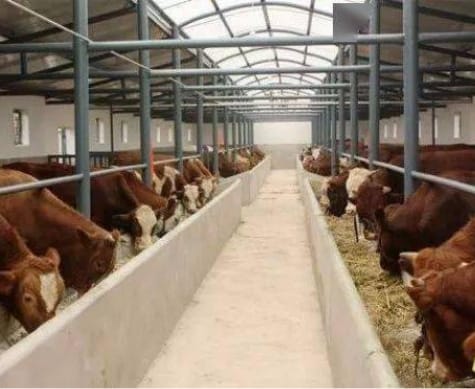
Based on the number of cattle raised, biogas plants can be divided into three categories with distinct output levels.
First, small household biogas digesters suitable for 3 to 5 cows can collect 75 to 125 kilograms of cow dung daily, producing 2.5 to 4.5 cubic feet of biogas, which fully meets a family’s daily cooking energy needs.
Second, medium-sized biogas plants supporting 10 to 100 cattle have a daily dung supply of 0.25 to 2.5 metric tons, with a daily biogas output of 9 to 88 cubic feet, which can meet the farm’s daily energy consumption.
Third, large-scale commercial biogas plants serving 500 to 1,000 head of cattle have a daily dung input of 12.5 to 25 metric tons, and the daily biogas output can reach 440 to 885 cubic feet, making them suitable for centralized gas supply and power generation.
3. Key Factors Affecting Actual Biogas Production
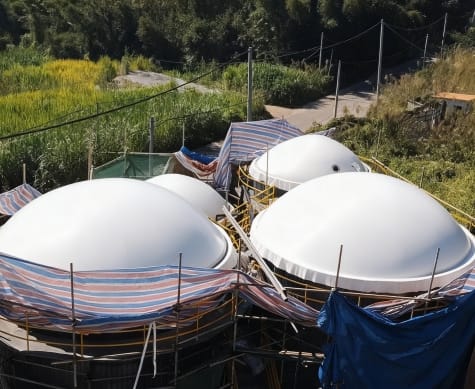
The theoretical output will fluctuate due to actual operating conditions. Fermentation temperature is the most important factor: mesophilic fermentation at 25 to 35°C maintains standard yield, while thermophilic fermentation at 45 to 55°C can increase output by 20% to 30%. Besides, the anaerobic fermentation cycle needs to reach more than 30 days; insufficient time will lead to incomplete decomposition and reduced gas production. In addition, cow dung moisture content, digester tightness and mixed fermentation with crop straw will also slightly affect daily gas output.
In general, the daily biogas output of cow dung biogas plants is mainly determined by the raw material input scale. Standardized temperature control and scientific operation management can effectively stabilize and improve gas production. Rational use of cow dung for biogas production can not only solve environmental pollution problems but also create stable clean energy benefits.If you would like to learn more about biogas, please contact us directly.