How Does the Double-Membrane Gas Holder Circular Model Transform Farm Waste into a Source of Wealth?
I. The “Hidden Time Bomb” on Livestock Farms: The Challenge of Manure and Wastewater
With the rapid development of China’s livestock and poultry farming industry, pollution from animal farming has become one of the major sources of environmental contamination in rural areas and urban outskirts. Intensive livestock farms generate enormous quantities of manure and wastewater every day. Without proper treatment, decaying organic matter and pathogens in the wastewater can contaminate water sources and soil, spread disease, and become a “hidden time bomb” threatening farm operators.
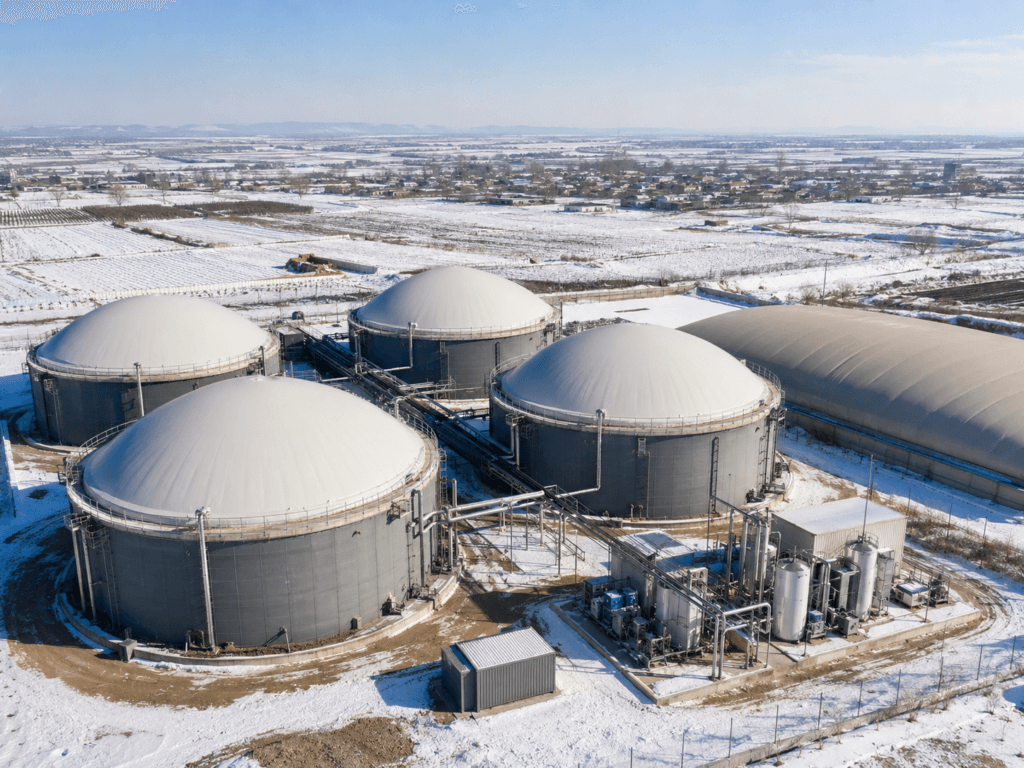
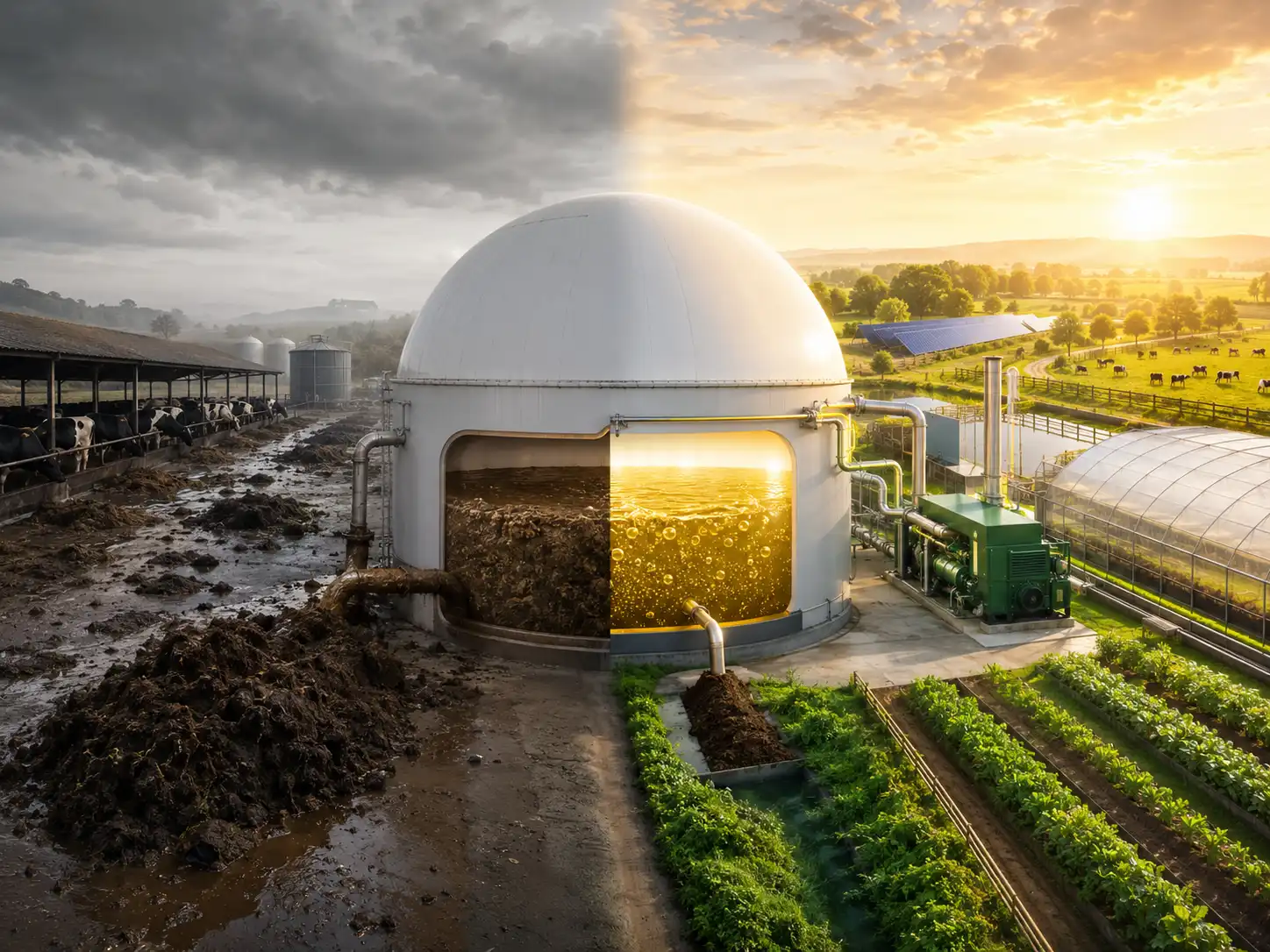
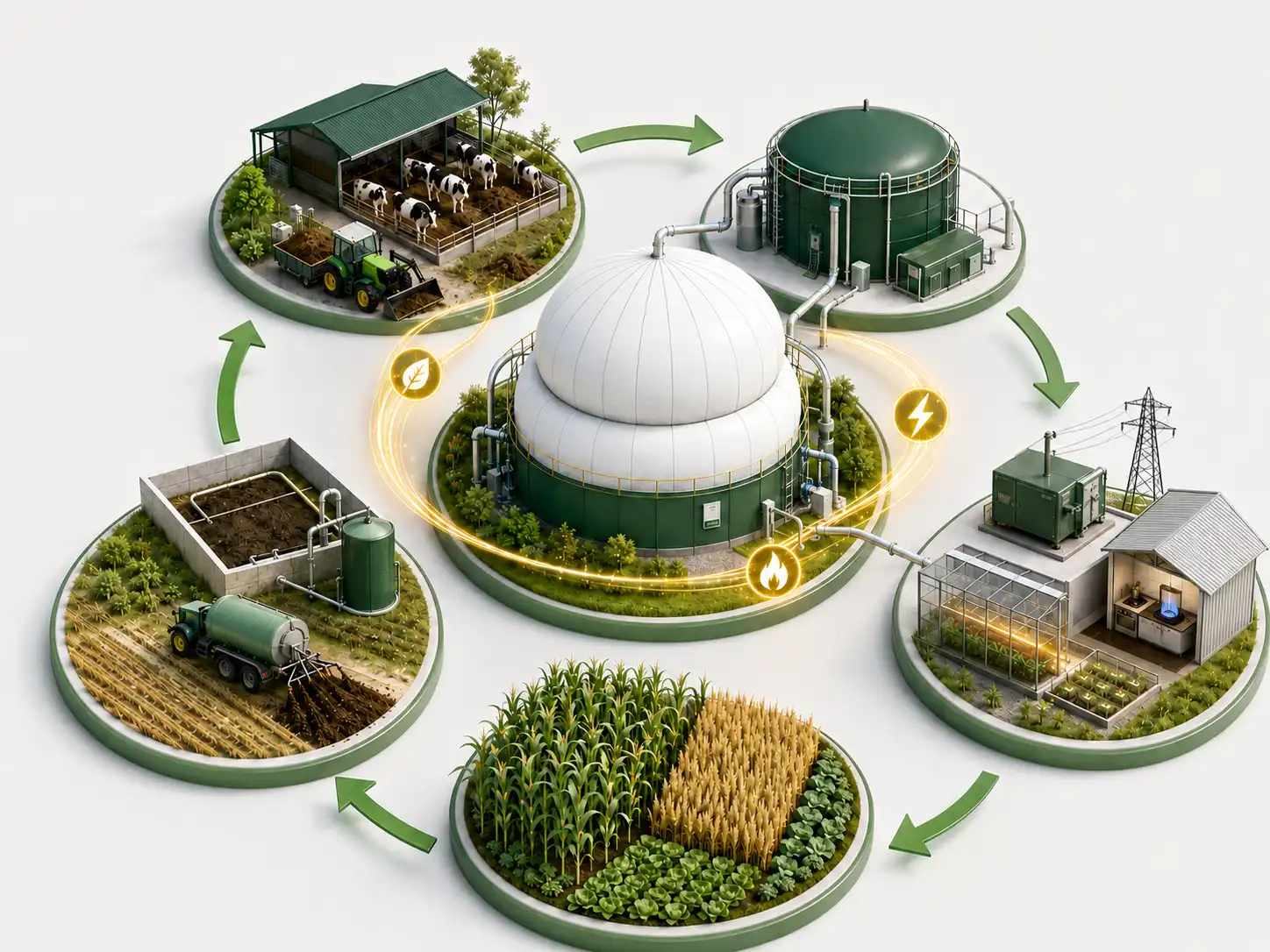
Solving this problem requires more than end-of-pipe treatment. A comprehensive system must address source control, intermediate treatment, and the final utilization or disposal of pollutants. Among the various resource-recovery solutions, one model is rapidly gaining attention: manure and wastewater are converted into biogas through anaerobic digestion, the biogas is efficiently stored in a double-membrane gas balloon, and a closed-loop value-creation model is established in which “manure becomes energy and wastewater becomes liquid fertilizer.”

II. Anaerobic Digestion: The “First Pot of Gold” from Manure-to-Biogas Conversion
Anaerobic digestion is a process in which naturally occurring or inoculated microorganisms break down organic matter under oxygen-free conditions, converting it primarily into methane and carbon dioxide. Its advantages include a significant reduction in the odor of the treated material and the production of methane that can be used as a clean energy source. Its disadvantages include relatively high ammonia nitrogen losses through volatilization and the need for comparatively large digestion tanks.
In addition to producing biogas as a valuable source of clean energy, livestock manure biogas projects also generate digestate liquid and solid residues that can be conveniently utilized as agricultural fertilizers. Anaerobic digestion can therefore be regarded as the core process that extracts the “first pot of gold” from livestock waste.
III. Double-Membrane Gas Domes: The Stabilizing Force in the Circular System
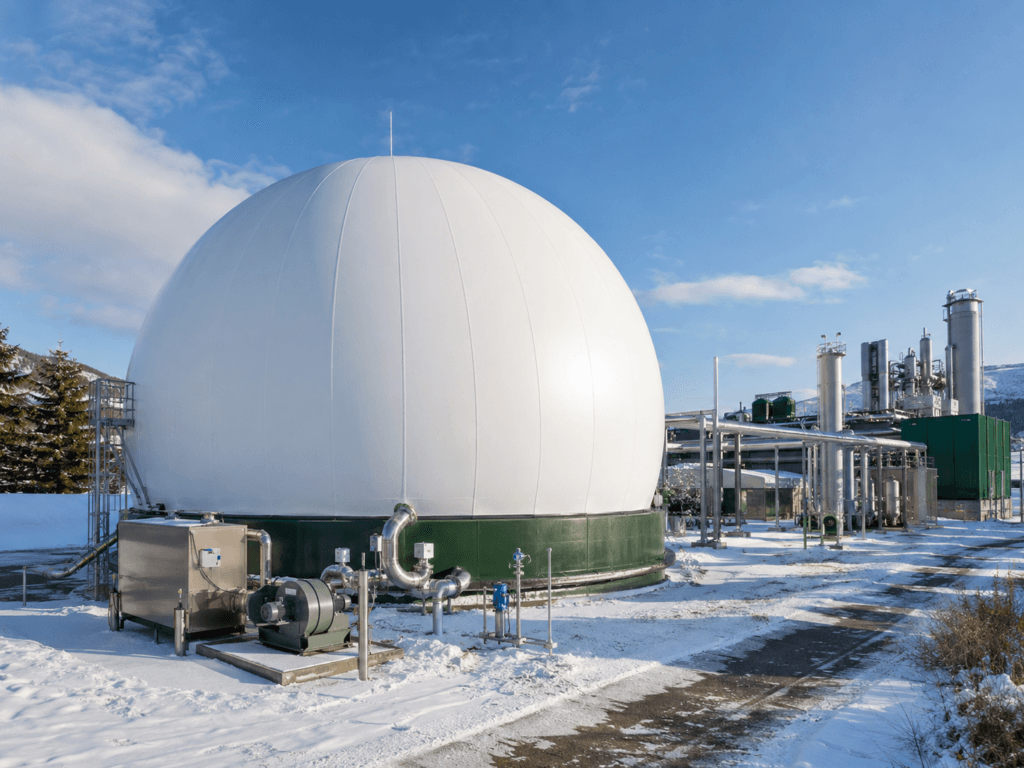
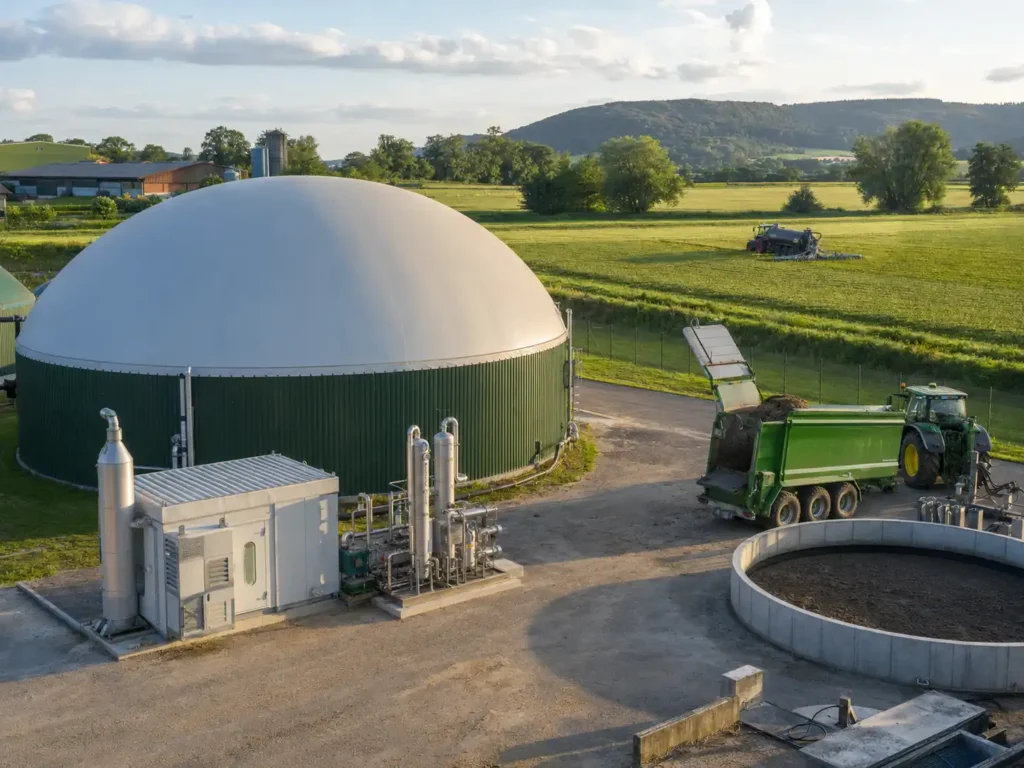
A double-membrane gas holder is a modern biogas storage system featuring a flexible inner and outer membrane structure. The inner membrane stores the biogas, while the air-filled space between the two membranes maintains constant pressure. Combining gas storage, pressure stabilization, and operational safety, it is an indispensable piece of equipment in modern anaerobic digestion projects.
1. Why Are Traditional Gas Storage Methods No Longer Sufficient?
Traditional biogas projects commonly use wet gas holders with water seals or high-pressure steel cylinders. In cold northern regions, wet gas holders are prone to freezing and jamming during winter and require considerable maintenance. Steel cylinders, meanwhile, involve high investment costs and stringent safety requirements.
More importantly, these conventional storage methods struggle to maintain a stable, constant-pressure gas supply. This can cause downstream gas-consuming equipment, such as CHP generator sets and boilers, to operate inconsistently, significantly limiting the economic value of biogas.
2. How Does a Double-Membrane Gas Holder Overcome These Challenges?
A double-membrane gas holder adopts a dual-layer design that combines internal gas storage with external pressure regulation, effectively overcoming the limitations of traditional storage systems.
Constant-pressure output:
The pressure-regulating space between the inner and outer membranes is automatically supplied with air by blowers. Regardless of how much biogas is stored inside the inner membrane, the outlet pressure remains stable, ensuring reliable operation of downstream power generation and heating equipment.
Flexible, large-capacity gas storage:
The flexible membrane expands and contracts automatically as the volume of biogas changes. The storage capacity can vary within the designed operating range, making the system ideally suited to the fluctuating gas production of anaerobic digestion. It stores more gas when production is high and occupies less volume when production is low.
Enhanced safety and leak protection:
The inner membrane is made from specialized materials resistant to biogas corrosion, while the outer membrane provides excellent resistance to UV radiation and ageing. The double-layer structure creates a natural physical barrier. Even if the inner membrane is accidentally damaged, the outer membrane can temporarily contain the gas, significantly reducing the risk of uncontrolled leakage.
Year-round operation:
Because the system does not rely on a water-seal structure, it is not susceptible to freezing in winter and generally requires no special antifreeze measures. It can continue operating at ambient temperatures as low as −30°C, helping solve the winter shutdown problem faced by biogas projects in cold regions.
Easy installation and a compact footprint:
The membranes are prefabricated in the factory and can be quickly assembled and installed on-site. The construction period can be more than 60% shorter than that of conventional steel or reinforced-concrete gas storage structures. The gas holder can be mounted on top of an anaerobic digester or installed independently, helping conserve valuable land.
If you are interested, please feel free to contact us.
RELATED BLOG