What Hidden Challenges Were Discovered During the On-Site Inspection of a Brewery Double Membrane Gas Holder?
1. Why Safety Inspection of Double Membrane Gas Holders Is Essential
Due to their flexible structure, cost-effectiveness, and high gas storage efficiency, biogas domes are widely used in biogas projects, wastewater treatment plants, and industrial gas storage systems. However, as equipment continues to operate over time, various safety risks gradually emerge — from membrane aging to pressure protection failures. If these issues are not identified and addressed in time, they may lead to gas leakage, equipment damage, or even more serious safety incidents.
This article presents a case study of an on-site inspection of a long-term operating biogas balloon at a brewery. It provides a detailed analysis of six critical safety hazards discovered during the inspection and offers practical corrective measures for each issue.
Whether you operate a biogas plant, brewery, or industrial gas storage facility, this inspection report can help you identify similar risks and implement preventive actions before potential accidents occur.

Hazard 1: Long Service Life of the Gas Holder Causing Severe Membrane Aging and Strength Reduction
After years of continuous operation, the membrane material of the gas holder showed obvious signs of aging, embrittlement, and thinning. The tensile strength and impact resistance of the membrane had significantly decreased, creating a serious risk of cracking and gas leakage.
This is the most fundamental safety concern — once the membrane loses its structural integrity, all other safety protection measures become ineffective.
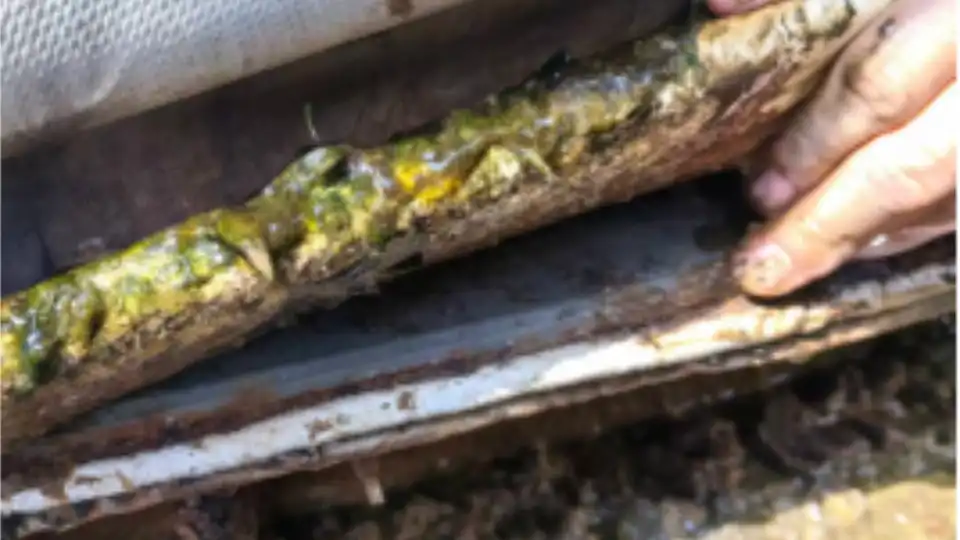
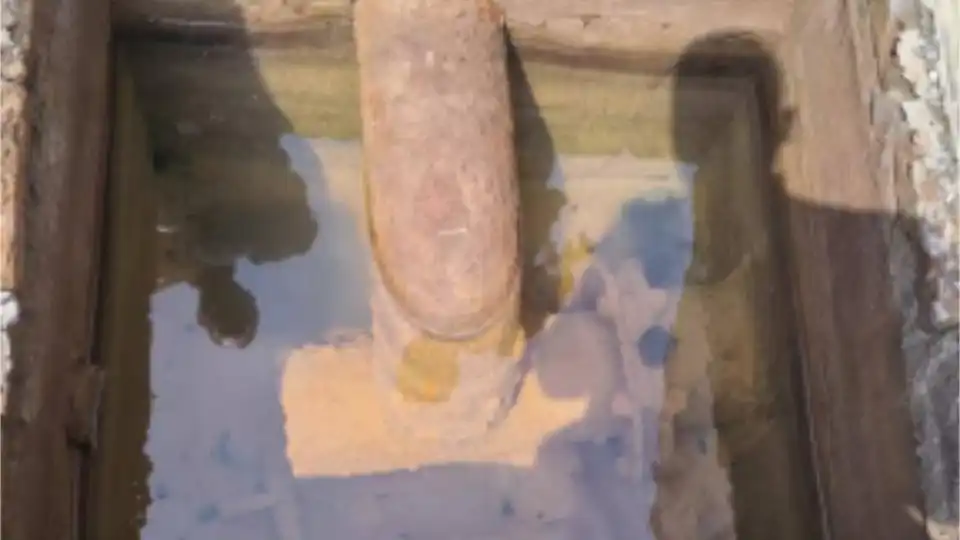
Hazard 2: Severe Corrosion of Fixing Plates and Pressure Plates
The metal fixing plates and pressure plates used to secure the membrane showed significant corrosion.
Corrosion reduces the fastening performance of these components, leading to poor sealing and structural loosening. The corroded pressure plates are unable to maintain the clamping force required for gas tightness, making gas leakage more likely at the connection points between the membrane and the supporting structure.
Hazard 3: No Pressure Protection Device Installed for the Inner Membrane, Creating a High-Pressure Damage Risk
The inner membrane system was found to have no pressure protection device installed.
When abnormal pressure increases occur inside the gas storage, there is no effective safety relief pathway. This can easily cause the inner membrane to expand excessively, tear, or become damaged, potentially resulting in rapid gas release and system failure.
Pressure protection is a fundamental safety requirement and should never be omitted.
Hazard 4: Inner Membrane Height Monitoring Instrument Failure, Unable to Monitor Internal Membrane Position
The height monitoring instrument for the inner membrane (typically a laser distance sensor or ultrasonic level meter) was found to be malfunctioning and unable to provide accurate readings.
Without reliable height monitoring data, operators cannot accurately determine the real-time position of the inner membrane, creating operational blind spots.
A lack of height information may cause the system to operate under abnormal conditions, such as inner membrane collapse due to negative pressure or membrane damage caused by excessive pressure. Both situations can result in irreversible damage to the membrane material
Corrective Action 1: Complete Replacement of the Aged Gas Holder Membrane
The aged membrane should be completely replaced with new membrane materials that meet the original design specifications, eliminating the risk of cracking and gas leakage at the source.
During material selection, key performance indicators such as tensile strength, UV resistance, chemical corrosion resistance, and weather resistance should meet or exceed the original design requirements.
Corrective Action 2: Remove Corrosion, Apply Anti-Corrosion Treatment, or Replace Severely Corroded Fixing Plates and Pressure Plates
The corroded fixing plates and pressure plates should be derusted, treated with anti-corrosion protection, or directly replaced to restore the structural fastening force and sealing performance.
After treatment, a protective coating suitable for the operating environment should be applied to prevent future corrosion.
During reassembly, all fasteners should be tightened according to the specified torque requirements.
Conclusion
Double membrane gas holders are a reliable and efficient solution for gas storage. However, their safety performance depends on regular inspections, timely maintenance, and proactive elimination of potential hazards.
If you are currently operating a double membrane gas holder and have identified similar issues described in this article, corrective actions should be taken as soon as possible.
Professional inspection services and engineering consultation can help you establish a reasonable maintenance priority plan, ensuring the safe, efficient, and long-term operation of your gas storage system.

RELATED BLOG